
The Complete Guide to Enterprise Device Buyback (2026)
Enterprise organizations retire thousands of laptops, tablets, and phones every year. Most of that hardware ends up in storage closets, losing value by the month and creating data-security liabilities that nobody tracks. A structured enterprise device buyback program changes that equation by recovering capital, documenting data destruction, and keeping functional hardware in circulation.
This guide covers every component of a scalable buyback program, from asset tracking and valuation to secure data erasure and environmental reporting. If you manage IT assets at an enterprise scale, this is the operational playbook for turning retired hardware into measurable financial and environmental returns.
Key takeaways: enterprise device buyback programs
- A structured buyback program recovers capital from retired devices before depreciation erases their resale value entirely.
- Serial-level asset tracking from intake through disposition creates an auditable chain of custody for every device.
- Certified data erasure to NIST 800-88 standards produces device-level documentation that satisfies compliance audits.
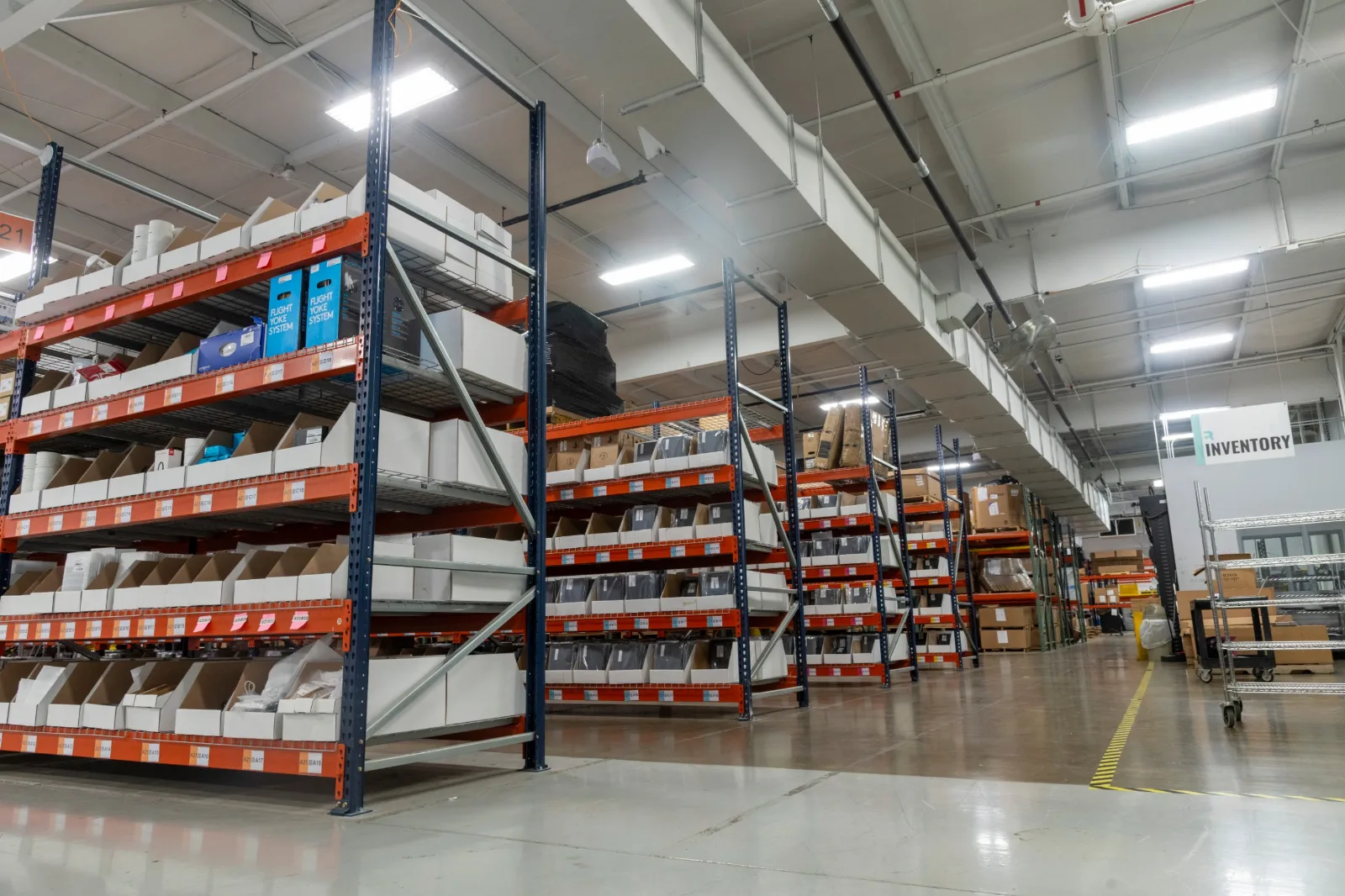
- Refreshed Tech provides end-to-end buyback processing from its 103,000 sq ft facility in Ashley, Indiana.
- Buyback reporting supports ESG disclosures by quantifying CO₂ prevented and materials diverted from landfills.
What is an enterprise device buyback program?
An enterprise device buyback program is a formalized process through which an organization sells retired IT hardware to a certified buyer in exchange for payment based on each device's assessed condition and current market value. The program covers laptops, tablets, smartphones, Chromebooks, and other endpoint devices at fleet scale.
Unlike consumer trade-in offers at retail stores, an enterprise buyback program is built to handle hundreds or thousands of devices in a single engagement. It includes chain-of-custody documentation, certified data destruction, detailed inspection reporting, and financial settlement against auditable records.
The core difference is accountability. A consumer trade-in gives you a gift card and a receipt. An enterprise program gives you serial-level tracking, a Certificate of Data Destruction, and a financial report your CFO can reference in a board meeting.
Why enterprise IT asset managers need a formal buyback strategy
Retired devices lose resale value rapidly. A laptop worth a meaningful return today may recover a fraction of that amount six months from now. Every quarter those devices sit in a storage room, the financial opportunity shrinks.
Beyond depreciation, unmanaged retired devices create data-security exposure. Devices that still contain corporate email, authentication tokens, VPN configurations, or proprietary files represent a compliance risk that grows with every month of inaction.
A formal buyback strategy addresses both problems simultaneously. It puts retired hardware on a defined timeline from decommission to disposition, recovers capital while devices still hold market value, and produces the documentation that regulatory frameworks like HIPAA, SOX, and GDPR require.
How asset tracking works in large-scale buyback programs
Accurate asset tracking is the operational foundation of any enterprise buyback program. Every device needs a documented path from the moment it leaves an employee's hands to the moment it is resold or recycled.
The process starts with an asset manifest. Your IT team generates an inventory list that includes make, model, serial number, storage capacity, and general condition for each device.
At intake, the buyback partner logs each device by serial number and assigns a tracking record that follows the unit through inspection, grading, data erasure, and final disposition. Refreshed Tech tracks every device at the serial level through its 103,000 sq ft facility in Ashley, Indiana.
Serial-level tracking is what separates a defensible program from an undocumented one. If an auditor asks what happened to a specific laptop six months after disposition, you need an answer backed by a record.
How device valuation and grading determine buyback payouts
Buyback payouts depend on a combination of market conditions and device-specific factors. Understanding how valuation works helps you set accurate expectations and time your buyback engagements for maximum recovery.
What factors determine device resale value?
Four variables drive most of the valuation math. Processor generation and architecture set the floor. A device running a current-generation chip holds significantly more value than one two generations behind. Functional status matters next. Devices that power on, pass diagnostics, and operate normally command higher returns than units with battery degradation or failed components.
Cosmetic condition is graded on a standard scale. Grade A (minimal wear) recovers the most value, while Grade D (significant damage) is typically recovered for component reuse only. Component completeness rounds out the assessment. Missing chargers, styluses, or keyboard covers can reduce the final offer.
How are tablets valued differently from laptops?
Tablet buyback valuation follows the same general framework, but tablets depreciate faster because their trade-in windows are shorter and their secondary market is more price-sensitive. Screen condition carries more weight in tablet grading than in laptop grading, since the screen is the primary input surface.
Battery health is another differentiator. Tablets with degraded batteries lose more proportional value than laptops, where a battery replacement is often a simpler repair.
For organizations running large tablet fleets, timing the buyback to coincide with the end of a deployment cycle makes a measurable difference in total recovery. Waiting two or three years past peak value erodes returns significantly.
How to build a scalable enterprise device buyback program
Building a buyback program that works at enterprise scale requires operational discipline across four phases. Each phase has defined inputs, outputs, and decision points.
Step 1: Inventory and fleet assessment
Start with a complete inventory of retired or soon-to-retire devices. Export your asset list from your IT asset management (ITAM) system or mobile device management (MDM) platform. Include make, model, serial number, storage capacity, processor generation, and approximate condition for each unit.
This inventory becomes the foundation of your buyback quote. The more accurate the data, the closer the initial quote will match the final settlement. Organizations that maintain clean ITAM records consistently recover more value because there are fewer surprises at inspection.
Step 2: Partner selection and quote
Submit your asset list to your buyback partner for valuation. A credible partner will return an itemized quote broken out by model and grade tier within one to two business days.
Look for a partner that quotes at the fleet level rather than unit by unit. Fleet-rate pricing reduces the administrative overhead of managing individual device negotiations.
Ask the partner how long the quote is valid. Secondary market prices for enterprise hardware shift with supply and demand cycles, so most quotes carry a 14-to-30-day validity window. Shipping within that window locks in the quoted price.
Step 3: Logistics, pickup, and secure transit
Once a quote is accepted, logistics need to be locked down quickly. For larger fleets, a strong buyback partner handles on-site packing and palletizing so your IT team is not pulled off priority work. Refreshed Tech covers shipping nationwide: smaller batches ship on prepaid UPS or FedEx labels, and for larger fleets its logistics team comes on-site to pack and palletize against your dock window. Every shipment is insured in transit and tracked end to end, and on-site pickups are GPS-tracked and signed for at delivery.
Before shipping, ensure all devices are removed from your MDM platform and that activation locks (Apple Business Manager, Google Workspace enterprise locks, BIOS passwords) are disabled. Locked devices delay processing and can reduce the final payout.
Step 4: Inspection, data erasure, and settlement
At the processing facility, every device is inspected against your original asset manifest. The partner confirms condition, verifies specifications, and grades each unit against a fixed rubric. If any device is regraded from the initial quote, a transparent partner will provide a line-item explanation before adjusting the settlement.
Data erasure happens at this stage. The standard for enterprise-grade sanitization is NIST SP 800-88, which defines three levels: Clear, Purge, and Destroy. Devices destined for resale are typically purged, rendering data unrecoverable even with advanced lab techniques. Media that cannot be purged is physically destroyed.
After erasure, payment is issued, typically via ACH or wire transfer. The settlement should be backed by a serial-level inspection report and a Certificate of Data Destruction for every device processed. At Refreshed Tech, final payment lands first, settled against a signed inspection report, and the serial-level report and Certificate of Data Destruction follow in the same email.
Secure data erasure: what enterprise buyers need to know
Data security is the single most scrutinized element of any enterprise buyback program. A missed wipe on one device in a batch of 500 is not a rounding error. It is a compliance incident.
Why a factory reset is not sufficient for enterprise devices
A factory reset restores a device to its default software state, but it may not sanitize all storage areas. On many devices, a reset leaves data recoverable with widely available forensic tools. For an enterprise with regulatory obligations under HIPAA, SOX, GDPR, or FERPA, "we reset it" is not a defensible answer to an auditor's question.
NIST SP 800-88 was updated in September 2025 (Revision 2). The revision expanded guidance on cryptographic erasure, vendor trust verification, and organization-wide sanitization programs. For IT asset managers evaluating buyback partners, the revision reinforces the importance of serial-level verification and documentation.
What should a Certificate of Data Destruction include?
A Certificate of Data Destruction is the document you hand to an auditor, a compliance officer, or a state reviewer. A defensible certificate includes the serial number of every device, the sanitization method used, the standard followed (NIST SP 800-88), whether each device was cleared, purged, or destroyed, and the date of sanitization.
A certificate that lists only a total device count with no serial numbers is weaker evidence. Serial-level tracking ties each retired asset back to your records and closes the accountability loop.
Inspection reporting and transparency in enterprise buyback
Inspection reporting is where many buyback programs fall short. A lump-sum payout with no supporting detail makes it impossible to verify whether the settlement reflects the actual value recovered from your fleet.
What should a buyback inspection report include?
A complete inspection report provides a device-by-device breakdown of condition, grade assignment, and disposition outcome. For each unit, you should see the serial number, the grade assigned (A through D), and whether the device was remarketed, refurbished, harvested for parts, or recycled.
This level of detail serves two purposes. First, it allows your finance team to reconcile the settlement against the original asset manifest. Second, it gives your sustainability team quantifiable data for ESG reporting, including how many devices were kept in circulation versus recycled for materials.
How Refreshed Tech handles inspection reporting
Refreshed Tech delivers a serial-level inspection log with every payout. Each device is graded by a human against a fixed rubric, the same rubric you quote against. If a device is regraded, Refreshed Tech tells you what changed and why before adjusting the offer.
Roughly 94% of partner-graded fleets match the final inspection within one grade, which means fewer surprises and faster settlement. Refreshed Tech also provides a monthly carbon report for your environmental disclosures.
Retrieval logistics for multi-site enterprise fleets
Large enterprises rarely have all their retired devices sitting in one warehouse. Devices are scattered across offices, regional hubs, remote-worker home offices, and branch locations. A buyback program that only accepts shipments to a central address puts the logistical burden on your team.
How to manage device collection across multiple locations
The operational solution is a partner that handles retrieval logistics end to end. This includes prepaid shipping labels for smaller batches, on-site packing crews for larger collections, and a single point of coordination that keeps your IT team out of the freight business.
Insured transit and end-to-end tracking from pickup to processing facility are minimum requirements. Every device should be accounted for from the moment it leaves your site until it reaches the processing dock. If a shipment goes missing in transit, you need to know immediately, not when the settlement report comes back short.
Timing buyback pickups to match refresh cycles
The most efficient buyback programs align pickup schedules with your technology refresh cycles. When new devices arrive, retired devices ship out in the same window. This approach minimizes the storage gap that erodes resale value and reduces the operational overhead of managing two separate logistics events.
For organizations with seasonal refresh patterns, such as K-12 districts with summer deployment windows, locking in pickup dates early ensures that the buyback partner has capacity allocated when you need it. Refreshed Tech has run device buybacks since 2018, including against tight education refresh windows where pickups need to happen before the fiscal year closes.
How enterprise device buyback supports ESG and sustainability goals
Enterprise buyback programs produce measurable environmental outcomes that translate directly into ESG reporting metrics. This is not abstract sustainability language. It is quantified impact, documented at the device level.
How buyback reduces e-waste at the enterprise level
According to the Global E-waste Monitor 2024, published by ITU and UNITAR, the world generated 62 billion kilograms of e-waste in 2022, an average of 7.8 kilograms per person. Only 22.3% of that mass was formally collected and recycled. The rest ended up in landfills, informal processing, or untracked disposal channels.
Every device that goes through a buyback program instead of a landfill is a device that stays in productive circulation. That keeps materials in use, defers mining demand for new raw materials, and reduces the carbon footprint associated with manufacturing a replacement.
Turning buyback data into board-ready ESG reporting
A well-structured buyback program generates the data your sustainability team needs: total devices diverted from landfill, kilograms of materials recovered, and CO₂ prevented by extending device lifecycles.
Refreshed Tech reported preventing 149 million pounds of CO₂ in 2025 across its processing operations, and it reports carbon impact back to each partner in a monthly carbon report.
If your organization has committed to circular economy targets, enterprise device buyback is one of the most direct, measurable ways to demonstrate progress. The documentation is built into the process, not bolted on after the fact.
Common challenges in enterprise buyback programs and how to solve them
How do you handle devices with failed data erasure?
Not every device can be wiped successfully. Drives with physical damage, firmware failures, or encrypted storage that cannot be unlocked require a different path. The standard protocol is certified physical destruction: shredding, disintegration, or degaussing, with a certificate documenting the method and the serial number of the destroyed media.
Your buyback partner should have a documented escalation path for failed erasures. If the only answer you get is "we handle it," ask for the specific process and the documentation you will receive.
What happens when devices are regraded after inspection?
Regrading is a normal part of the process, especially when the initial quote is based on self-reported condition data. The key is transparency. A trustworthy partner provides a line-item reconciliation showing exactly which devices were regraded, the original grade versus the final grade, and the reason for the adjustment.
If regrading happens frequently and the adjustments consistently favor the partner, that is a signal to recalibrate your internal grading standards or evaluate alternative partners. Organizations that maintain accurate, standardized condition assessments before shipping see fewer regrade events and faster settlements.
How do you manage activation locks and MDM removal at scale?
Activation locks (Find My, Apple Business Manager, Google Workspace locks) and MDM enrollment are the most common causes of processing delays in enterprise buyback. A device that arrives locked cannot be resold until the lock is removed, which reduces its value and delays your payout.
The solution is to build MDM removal and lock deactivation into your standard decommission workflow. Before devices leave your network, verify that each unit has been unenrolled from MDM and removed from Apple Business Manager or Google Admin.
Doing this systematically before shipping saves weeks of back-and-forth and protects your final settlement amount.
What to look for when choosing an enterprise buyback partner
Not every buyback partner operates at the same standard. The difference between a good program and a risky one is not the payout amount. It is the documentation, the process transparency, and the operational accountability behind that payout.
Key criteria for evaluating buyback partners
Start with credentials. Look for NIST 800-88 compliance for data sanitization and manufacturer authorizations such as Microsoft Authorized Refurbisher status, and verify that sanitization practices are audited, not just listed on a website. A partner who can produce audit documentation on request operates at a different level of accountability than one who lists logos on a landing page.
Evaluate the reporting detail. Serial-level inspection logs, device-level Certificates of Data Destruction, and itemized financial settlements are the baseline for an enterprise-grade program. If a partner offers only batch-level summaries, the tracking may not be granular enough to support a compliance audit.
Ask about timeline commitments. From quote turnaround to pickup scheduling to final settlement, every phase should have a defined window. Refreshed Tech returns quotes within one business day, with most back within four business hours. Once devices arrive, average turn runs about three to seven days depending on device type, and payment is issued with full documentation.
Questions to ask before signing a buyback agreement
Before committing to a partner, ask these questions directly:
- What sanitization standard do you follow, and is each device verified individually?
- Do I receive a serial-tracked Certificate of Data Destruction for every device?
- How long is the typical window between device pickup and data erasure?
- Who has access to devices between arrival and processing, and is that access logged?
- Can you provide a device-level disposition breakdown showing remarketed versus recycled units?
- What is your process for handling devices that fail data erasure?
If a partner cannot answer these questions with specific, verifiable answers, that is useful information in itself.
How to launch a scalable enterprise device buyback program
A scalable enterprise device buyback program is built on three pillars: accurate asset tracking, certified data destruction, and transparent financial reporting. Get those three right, and the program pays for itself through recovered capital, reduced compliance risk, and documented environmental impact.
The operational details matter more than the marketing language. Serial-level tracking, NIST 800-88 sanitization, and device-level inspection reports are the minimum standard for any enterprise-grade engagement. Refreshed Tech handles every step from asset recovery to certified data destruction at its facility in Ashley, Indiana, with documentation built for the auditors who will eventually ask for it.
FAQs about enterprise device buyback programs
What types of devices qualify for an enterprise buyback program?
Enterprise buyback programs typically accept laptops, tablets, smartphones, Chromebooks, and other endpoint devices. Refreshed Tech buys back MacBooks, iPads, iPhones, and Chromebooks at fleet scale, grading each device individually and providing serial-tracked documentation with every payout.
How does certified data erasure protect my organization during a buyback?
Certified data erasure following NIST SP 800-88 guidelines renders all data on a device unrecoverable. Refreshed Tech sanitizes every device at its Ashley, Indiana facility and delivers a serial-tracked Certificate of Data Destruction, giving your compliance team audit-ready proof that no data left your control.
How long does the enterprise buyback process take from start to finish?
Timelines depend on fleet size and how quickly devices ship. Refreshed Tech returns quotes within one business day and covers shipping or sends an on-site crew for larger lots. Once devices arrive, average turn is about three to seven days depending on device type, so most partners are paid within about a week.
Can a buyback program help my organization meet ESG reporting requirements?
A well-documented buyback program generates quantifiable environmental data, including devices diverted from landfill, materials recovered, and CO₂ prevented. Refreshed Tech provides a monthly carbon report to each partner, giving your sustainability team board-ready metrics for ESG disclosures.
What happens if a device cannot be wiped during the buyback process?
Devices that fail data erasure go through certified physical destruction, including shredding or degaussing, with a separate certificate documenting the method and serial number. Refreshed Tech maintains a documented escalation path for every device that cannot be sanitized through standard erasure methods.
How does Refreshed Tech handle tablet buyback valuation at scale?
Refreshed Tech grades tablets individually using a fixed rubric that accounts for screen condition, battery health, functional status, and cosmetic wear. Each tablet receives a serial-tracked inspection, and the grading criteria are the same ones used to generate your initial quote, so the assessment is consistent from start to finish.
Ready to recover value from your retired fleet?
Get a Quote ↗