
What Is Ethical Device Refurbishment in 2026
Every phone, tablet, or laptop you upgrade has to go somewhere. If it ends up in a drawer or a landfill, the data on it still exists and the materials inside it go to waste. Ethical device refurbishment addresses both problems at once by combining certified data destruction, rigorous quality checks, and responsible recycling into a single process.
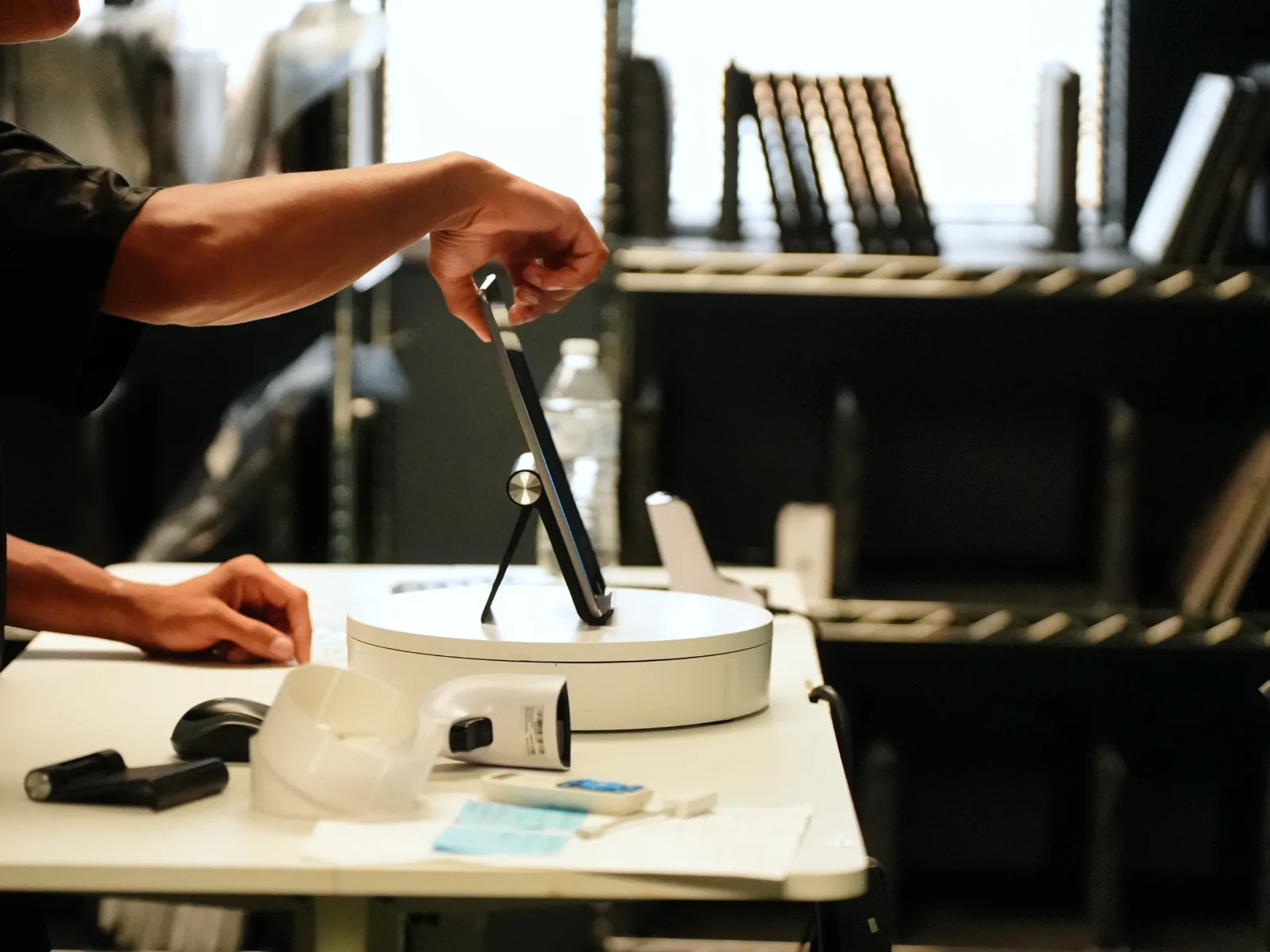
For cost-conscious buyers looking to upgrade without overpaying, refurbished devices offer a practical alternative to buying new. The catch is that not every refurbisher follows the same standards. This article breaks down what ethical refurbishment actually involves, how it protects your data and the environment, and what to look for when you evaluate a provider.
Key takeaways: ethical device refurbishment
- Ethical device refurbishment protects consumer data through certified wiping protocols that meet standards such as NIST 800-88.
- Quality checks during refurbishment include functional diagnostics, component replacement, and cosmetic grading on every unit.
- Refurbished devices can reduce carbon emissions significantly by extending a product's useful life and deferring new production.
- Refreshed Tech provides serial-tracked inspection and certified data destruction with documentation for every device it processes.
- Third-party certifications like R2, e-Stewards, and Microsoft Authorized Refurbisher help you identify and evaluate trustworthy providers.
What is ethical device refurbishment?
Ethical device refurbishment is the process of restoring used electronics to full working condition while following documented standards for data security, quality assurance, and environmental responsibility. It goes beyond a basic wipe-and-resell approach.
A device that has been ethically refurbished passes through intake inspection, functional diagnostics, certified data erasure, component repair or replacement, cosmetic grading, and a final quality check. Each step is logged and auditable. The goal is a device that performs like new, carries no residual data, and stays out of the waste stream.
This matters because the refurbishment industry lacks a single universal standard. Some sellers apply the label "refurbished" after a quick visual check and a factory reset. Ethical refurbishers document every step and back their work with certifications.
How does certified data wiping protect your information?
Data destruction is the non-negotiable first requirement of ethical refurbishment. When a device changes hands without a proper wipe, personal photos, login credentials, financial records, and corporate files can all be recovered by the next owner.
Certified data wiping follows published protocols. NIST 800-88, published by the National Institute of Standards and Technology, is one of the most widely recognized. It defines three levels of media sanitization: Clear, Purge, and Destroy. Each level specifies how data must be removed based on the sensitivity of the information and the type of storage media.
An ethical refurbisher issues a Certificate of Data Destruction for every device it processes. That certificate ties a specific serial number to a specific sanitization method and date. For organizations handling student records under FERPA or customer records under state privacy laws, this documentation is not optional.
What quality checks should you expect from a refurbisher?
A trustworthy refurbishment process includes at least five stages: intake triage, hardware diagnostics, component repair, cosmetic grading, and post-repair validation. Each stage serves a different purpose.
During diagnostics, technicians test every major subsystem: CPU, RAM, storage, display, speakers, cameras, Wi-Fi, Bluetooth, charging circuitry, and battery health. Devices that fail any test either get the faulty component replaced or are removed from the refurbishment line entirely.
Cosmetic grading uses a standardized rubric. Grade A typically means minimal visible wear. Grade B indicates moderate marks that do not affect performance. Grade C may show heavier wear. Grading is cosmetic only, which is why the diagnostic step matters more than the letter on the label.
Refreshed Tech serial-tracks every device from intake through inspection, wiping, and final disposition. Roughly 94% of partner-graded fleets match the company's final inspection within one grade, according to data published on its grading standards page.
Why does ethical refurbishment matter for the environment?
The world generated a record 62 million tonnes of e-waste in 2022, according to the Global E-waste Monitor 2024 published by ITU and UNITAR. That figure is on track to reach 82 million tonnes by 2030. Less than a quarter of the 2022 total was documented as properly collected and recycled.
Every year a device stays in active use, the raw materials inside it, including lithium, cobalt, copper, and rare earth elements, continue doing productive work instead of sitting idle or entering the waste stream. Extending a device's life also defers the carbon-intensive manufacturing of a replacement unit.
Refreshed Tech reported that its partners' surplus devices helped prevent over 149 million pounds of CO₂ from entering the atmosphere in 2025. That kind of environmental accounting is one of the signals that separates ethical operators from the rest of the electronics recycling market.
How to evaluate an ethical device refurbishment provider
Not every company calling itself a refurbisher meets the same bar. Here are the criteria that matter most.
Certifications. Look for third-party credentials. The EPA recognizes two accredited standards for electronics recyclers: R2 and e-Stewards. Microsoft Authorized Refurbisher status confirms operational and quality benchmarks. Refreshed Tech holds that Microsoft credential and processes devices through its 103,000-square-foot facility in Ashley, Indiana.
Data destruction documentation. Ask whether the provider issues a Certificate of Data Destruction tied to individual serial numbers. A blanket "all data erased" statement without serial-level proof is a red flag.
Transparent grading. The refurbisher should publish its grading standards and explain what each grade means. If a device gets re-graded during inspection, you should know what changed before any pricing adjustment.
Environmental reporting. Ethical providers track and share their impact: CO₂ prevented, devices diverted from landfills, and materials recovered. That transparency signals responsibility built into the operation.
What role do industry standards play in refurbishment?
Industry standards give buyers a baseline for comparison. Without them, the word "refurbished" can mean anything from a thorough multi-point restoration to a quick screen wipe and a new box.
In the United States, the EPA encourages electronics recyclers to pursue R2 or e-Stewards certification. Both standards require documented procedures for data security, environmental compliance, worker health and safety, and downstream material tracking. In Europe, the European Refurbishment Association (EUREFAS) launched its Quality Label in June 2026, establishing the first EU-wide benchmark for refurbished consumer electronics.
The ITU published Recommendation L.1081 in 2025, providing international good practices for sanitizing information storage media in end-of-life devices. These frameworks collectively push the industry toward consistency and give you concrete benchmarks to evaluate refurbishment partners.
What does ethical refurbishment mean for buyers on a budget?
Buying refurbished is one of the most direct ways to get current-generation technology at a lower cost. Savings typically range from 20% to 50% compared with buying new, depending on the device model and its cosmetic grade.
The key for budget-conscious buyers is confidence that the savings do not come at the cost of reliability or privacy. That confidence comes from verifiable process documentation: a named data destruction standard, a transparent grading rubric, a clear warranty, and a return window that gives you time to confirm the device works as expected.
Refreshed Tech provides a quote within one business day, covers all shipping costs, and delivers a serial-level inspection report alongside the Certificate of Data Destruction with every payout. That level of process transparency makes it easier to compare the value you are getting against what a new device would cost.
In conclusion: how to choose an ethical device refurbishment provider
Ethical device refurbishment sits at the intersection of three priorities: protecting personal data, maintaining device quality, and reducing environmental harm. Each of those priorities requires specific, documented processes, not just promises.
When you evaluate a refurbishment provider, ask for certifications, serial-level data destruction documentation, published grading standards, and measurable environmental impact data. Providers that can deliver all four are the ones operating at the standard the industry is moving toward. Your next device upgrade does not have to mean buying new, and it does not have to mean compromising on trust.
FAQs about ethical device refurbishment
What is the difference between refurbished and used? A refurbished device has been professionally inspected, repaired if needed, and tested against a documented quality standard. A used device is typically sold as-is with no guaranteed inspection or data erasure. Refreshed Tech applies serial-tracked diagnostics and certified data wiping to every device it processes.
How do I verify my data is safe after a buyback? Ask for a Certificate of Data Destruction tied to your device's serial number. Ethical refurbishers follow published standards like NIST 800-88 and issue device-level documentation. Refreshed Tech delivers that certificate with every payout, giving you an auditable record of sanitization.
Are refurbished devices reliable enough for daily use? Devices that pass a full diagnostic and component-replacement process perform comparably to new units. The reliability depends on the thoroughness of the refurbisher. Look for providers that test every subsystem and offer a warranty or return window.
What certifications should an ethical refurbisher hold? R2 and e-Stewards are the two EPA-recognized certification standards for electronics recyclers in the United States. Microsoft Authorized Refurbisher status confirms device restoration quality. Refreshed Tech holds Microsoft Authorized Refurbisher status and operates under NIST 800-88 sanitization protocols.
Does buying refurbished actually help the environment? Extending a device's life defers the mining, manufacturing, and shipping required to produce a replacement. According to the Global E-waste Monitor 2024, the world generated 62 million tonnes of e-waste in 2022. Every device that gets a second life instead of entering the waste stream reduces that total directly.
Have devices ready for a second life?
Get a Quote ↗